
Definition and Purpose of Manual Tube Notchers
A manual tube notcher is a handheld, portable tool designed to cut precise notches in pipes and tubes for joining, repair, and arc‑port cutting. Made from durable steel, it allows vertical or horizontal use, enabling quick, accurate cuts that fit fittings and maintain long tool life. Ideal for industry!!!
Explaining the role of a manual tube notcher in pipe and tube preparation for joining and repair.
Manual tube notchers are essential tools in the fabrication and maintenance of metal piping systems. They provide a quick, reliable method for creating precise notches that allow pipes and tubes to be joined or repaired with flanges, couplings, or welds. By cutting a shallow, angled groove along the circumference of a pipe, the notcher creates a mechanical interlock that improves the fit of the joint and reduces the need for additional machining. The tool’s ergonomic handle and adjustable depth settings enable operators to maintain consistent notch depth and angle, which is critical for ensuring proper alignment of mating parts. In repair scenarios, a notcher can remove damaged sections of a pipe and replace them with new segments, minimizing downtime and material waste. The ability to cut vertically or horizontally gives technicians flexibility in tight spaces, while the sharp, high‑carbon steel blade ensures clean cuts that reduce burrs and improve weld quality. Because the notcher is manually operated, it can be used on a wide range of pipe diameters and materials, from stainless steel to carbon steel, without the need for complex machinery. This versatility makes it a staple in HVAC, plumbing, chemical processing, and manufacturing environments where rapid, accurate notching is required for efficient assembly and maintenance operations. Operators appreciate the tool’s lightweight design, which reduces fatigue during prolonged use, and the quick‑change blade system allows for rapid transitions between pipe sizes, ensuring consistent performance across diverse projects without compromising safety or precision. and grip daily minimizes wrist strain.!

Types of Manual Tube Notchers
Manual tube notchers come in three main varieties: lightweight to units for on‑site use, robust fixed bench‑top models suited for workshop precision and specialized notchers engineered for narrow or oversized diameters. Each type balances portability, accuracy, and durable to meet varied fabrication daily needs.

Portable handheld notchers, fixed bench‑top models, and specialized pipe notchers for specific diameters.
Portable handheld notchers are lightweight, ergonomic tools that fit in a workbench or truck bed, allowing operators to cut notches on the spot. They feature a steel blade, adjustable depth, and a handle that can be rotated for vertical or horizontal cutting. The compact design makes them ideal for field repairs, quick pipe connections, and small‑scale fabrication jobs. Fixed bench‑top models, on the other hand, are mounted on a work surface and provide a stable cutting platform. These notchers typically have a larger blade, a more robust frame, and a depth‑adjustment lever that offers fine control over notch depth and angle. They are suited for high‑volume production lines, where consistency and repeatability are critical. Specialized pipe notchers are engineered for specific diameter ranges, such as 1‑inch to 4‑inch or 6‑inch to 12‑inch pipes. These tools often incorporate interchangeable blades or adjustable jaws that accommodate different pipe wall thicknesses and diameters. They are especially useful in industries that handle a wide variety of pipe sizes, such as HVAC, plumbing, and chemical processing, where a single tool cannot cover all requirements. Each type of notcher offers unique advantages: portability for on‑site work, precision for mass production, and versatility for handling diverse pipe sizes. Selecting the right model depends on the application’s demands, the size of the pipes, and the required throughput. With proper training, operators can achieve consistent, clean cuts, reducing waste and improving overall workflow. Investing in a high‑quality notcher also pays off through lower maintenance costs and longer tool life. — and safety.
Key Features and Materials
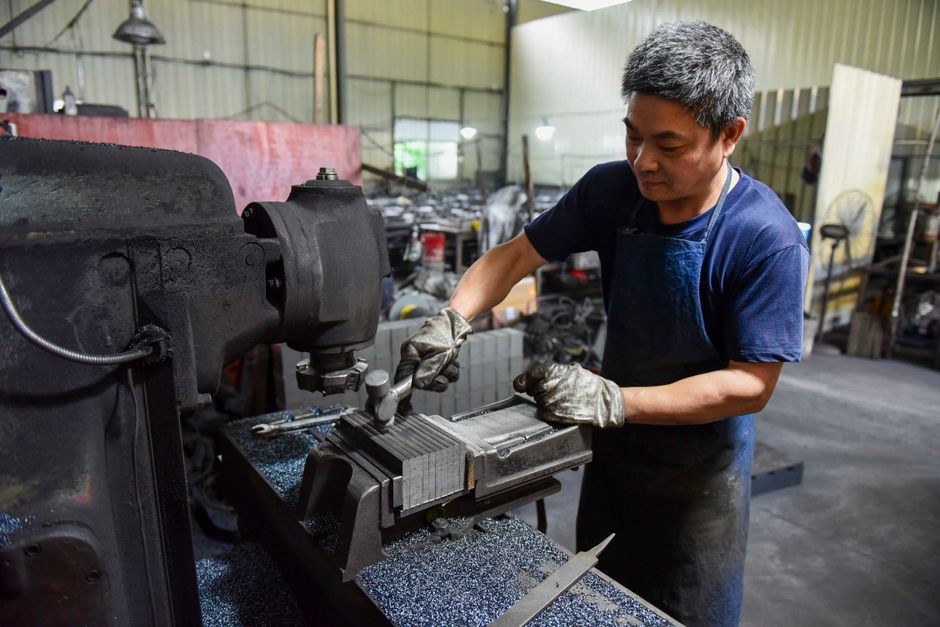
Blade made from high‑strength steel ensures clean cuts. Adjustable depth settings allow precise notch depth for various pipe sizes. Ergonomic handles reduce fatigue, offering secure grip and control. Durable construction extends tool life, making it ideal for industrial use. Safe handling. and speed!
Blade composition, adjustable depth settings, and ergonomic handles that influence cutting precision.
Manual tube notchers rely on a hardened high‑carbon steel blade that resists wear and maintains a sharp edge over thousands of cuts. The blade is precision ground to a beveled profile, allowing a clean, straight notch that reduces burrs and improves joint fit. Adjustable depth stops are mounted on the handle, calibrated in increments of 1/16 inch, so operators can set the exact notch depth for a wide range of pipe diameters. This feature is critical for ensuring consistent joint gaps and preventing over‑cutting, which can compromise structural integrity. Ergonomic handles are molded from impact‑resistant polymer with a textured grip to reduce hand fatigue during prolonged use. The handle’s angle is engineered to position the blade at a 45‑degree cutting angle, which balances cutting force and blade life. Combined, these design elements enable operators to achieve high precision, repeatable notches while minimizing tool wear and operator strain. Proper use of the depth settings and a firm grip ensures that each notch is uniform, which is essential for reliable pipe connections in HVAC, plumbing, and industrial piping systems. The result is a tool that delivers consistent performance, extends tool life, and improves overall workflow efficiency. Operators appreciate the tool’s lightweight construction, which reduces fatigue during repetitive tasks, and its quick‑change blade system that allows seamless transition between different pipe materials without downtime ensuring compliance with industry standards! Thanks.
END NOW!

Common Industrial Applications
Manual tube notchers are indispensable in HVAC, plumbing, chemical processing, and manufacturing. They create precise notches for pipe joints, repair, and arc‑port cutting, ensuring tight seals and efficient assembly in large‑scale industrial piping systems. for maintenance crews quick, reliable repairs worldwide.
Use in HVAC, plumbing, chemical processing, and manufacturing for creating precise notches.
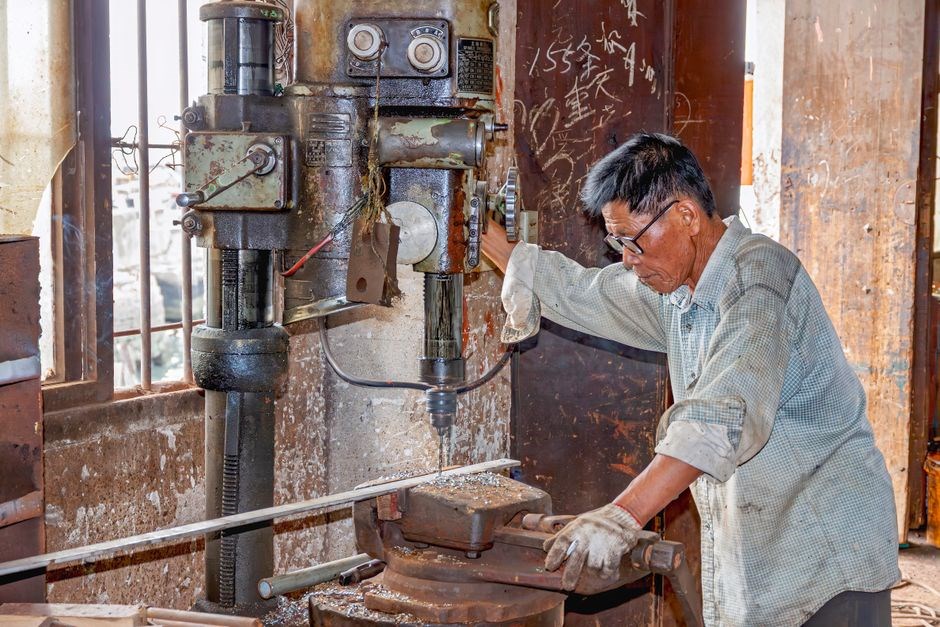
Manual tube notchers serve as essential tools across HVAC, plumbing, chemical processing, and manufacturing sectors, enabling technicians to produce clean, accurate notches that facilitate seamless pipe connections and efficient system repairs. In HVAC installations, these notchers allow for the precise cutting of copper, steel, and aluminum conduits, ensuring that elbows, tees, and other fittings fit snugly without the need for additional trimming or. The ability to create consistent, repeatable notches reduces installation time, lowers labor costs, and improves overall system reliability. In plumbing, manual tube notchers are employed to prepare pipes for pipe‑to‑pipe joints, pipe‑to‑fitting connections, and to install pipe‑to‑manifold interfaces. Their portability and ease of use make them ideal for both new construction and retrofit projects, allowing plumbers to quickly adjust notch depth and angle to match varying pipe diameters and material types. Chemical processing plants rely on these tools to cut stainless steel, carbon steel, and specialized alloys that must withstand corrosive environments. The precision notching ensures that flanges and gasketed joints maintain a tight seal, preventing leaks that could compromise product quality or safety. Manufacturers of pressure vessels, reactors, and piping systems also use manual tube notchers to prepare components for welding or to create slots for threaded fittings. The versatility of these tools supports applications from residential plumbing to pipelines transporting hazardous chemicals!!
Operation and Technique
Align the tube with the notch line and clamp it securely; Adjust the depth setting to the required notch depth. Hold the notcher firmly, apply steady pressure, and rotate the blade along the tube’s circumference, keeping the blade perpendicular. Smooth the notch edges with a file afterward. Finish now.
Step‑by‑step manual cutting procedure, including alignment, pressure application, and cutting angle.
Step‑by‑step manual cutting procedure for a tube notcher:
- Secure the tube on a stable workbench or clamp. Ensure the tube is clean and free of debris.
- Mark the desired notch location with a permanent marker or scribe. Align the notcher’s blade edge with this line.
- Set the depth adjustment to match the required notch depth. Many manual notchers allow quick depth changes via a dial or lever.
- Position the notcher so the blade faces the tube’s outer surface. Hold the handle firmly with both hands, keeping the wrist straight.
- Apply steady, moderate pressure while rotating the blade around the tube. The blade should cut at a 90° angle to the tube’s axis for a clean, square notch.
- Continue the rotation until the notch is complete. Check depth and width with a caliper or depth gauge.
- Release pressure, remove the notcher, and inspect the notch for burrs. Use a file or deburring tool to smooth edges.
- Repeat the process for additional notches, adjusting depth as needed.
In practice, operators often use a marking gauge to ensure uniform notch placement, especially when multiple tubes require identical cuts. After cutting, a deburring file or a small rotary tool can remove any burrs that may compromise the joint seal. It is also common to check the notch depth with a depth gauge or a calibrated ruler to confirm that the cut meets the specified tolerance. If the notch is too shallow or too deep, the operator can adjust the depth setting and re‑cut, ensuring a reliable fit for flanges, couplings, or other fittings. Consistent technique and careful attention to depth and angle are essential for achieving a smooth, leak‑free joint in industrial piping systems.
Operators typically set the notch depth by turning a dial or sliding a lever until the blade reaches the desired depth mark. While cutting, maintaining a steady hand and applying consistent pressure prevents wobble and ensures a clean cut. After the notch is finished, a quick visual inspection can confirm that the notch is square and the depth matches the specification. If adjustments are needed, the tool’s depth setting can be readjusted and the notch re‑cut, allowing for precise and repeatable results in high‑volume production environments.
After cutting, the operator may use a small sanding block or a dedicated deburring attachment to smooth the notch edges, ensuring a tight seal when the fitting is installed. Proper documentation of the notch depth and angle is also recommended for traceability in quality control audits.
Consistent use of the manual tube notcher improves efficiency and reduces waste, making it a staple tool in many fabrication shops.
Remember to calibrate the depth gauge before each batch to maintain precision.
Follow all safety protocols to protect yourself and colleagues.
Keep the tool clean and dry.

Maintenance and Care
After each use, wipe the blade with a cloth to remove metal shavings. Inspect for wear; replace the blade if it shows dullness or cracks. Store the notcher in a place,apply a light oil to parts to prevent Periodically check the adjustment mechanism for operation daily care
A manual tube notcher is a handheld, portable tool designed to cut precise notches in pipes and tubes for joining, repair, and arc‑port cutting. Made from durable steel, it allows vertical or horizontal use, enabling quick, accurate cuts that fit fittings and maintain long tool life. Ideal for industry!!!
Safety and Ergonomics
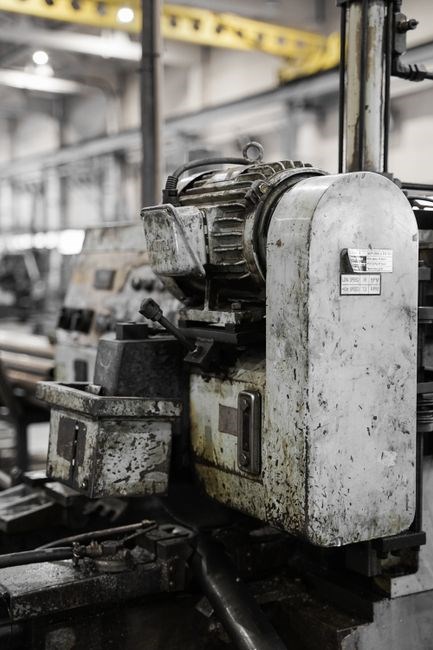
Use PPE: gloves, eye protection, hearing guard. Keep tool steady, avoid over‑tightening. Maintain neutral wrist posture; use ergonomic handle to reduce strain. Store in dry, secure area. Inspect for cracks before use. Follow manufacturer’s guidelines for safe operation. Wear gloves to protect hands. Keep tool clean.!
Proper PPE, safe handling, and posture guidelines to prevent injury.
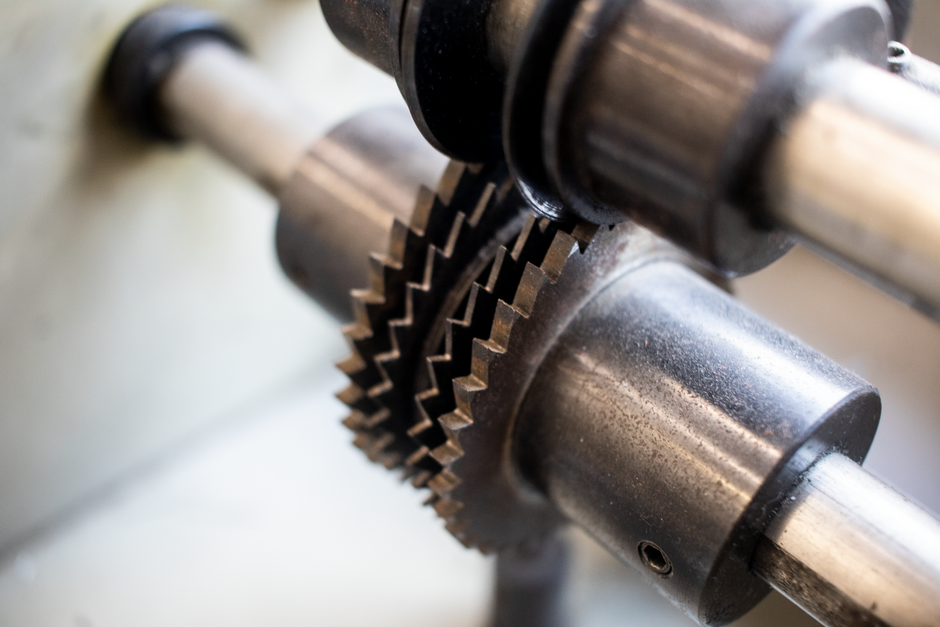
When operating a manual tube notcher, personal protective equipment is essential. Wear cut‑resistant gloves to protect hands from sharp edges and to improve grip. Eye protection such as safety glasses or a face shield blocks debris and sparks. Hearing protection is advised if the tool generates high‑frequency noise during cutting. Use a ventilated area to avoid inhaling dust or fumes!
Safe handling begins with a firm, balanced stance. Position the notcher so the blade faces away from your body and the cutting surface is level. Avoid over‑tightening the clamp; a snug but not excessive grip prevents the tool from slipping. Keep the blade perpendicular to the tube to maintain a clean cut and reduce the risk of chipping.
Posture guidelines reduce repetitive strain injuries. Keep your wrists in a neutral position, avoiding excessive bending or twisting. Use the ergonomic handle to distribute force evenly across the forearm. When applying pressure, use your body weight rather than just arm strength. Take short breaks after prolonged use to stretch shoulders and wrists.
Before each use, inspect the blade for cracks or wear. Replace or sharpen as needed to ensure a clean cut and to protect the operator from accidental slips. Store the notcher in a dry, secure area to prevent rust and damage. Follow the manufacturer’s maintenance schedule and keep a log of inspections. These practices collectively reduce injury risk and extend tool life.
Selection and Purchasing Guide
Choose a notcher that matches tube diameter, material, and required depth. Check blade steel quality, adjustable depth, and ergonomic handle. Verify supplier reliability, warranty, and test sample cuts before buying and compare prices, reviews, assess durability.
Factors like diameter range, material compatibility, and supplier reliability when buying a manual tube notcher.
When selecting a manual tube notcher, the first consideration is the diameter range. A tool that covers a broad spectrum—from 1/2‑inch to 4‑inch—ensures versatility across projects. Next, material compatibility is critical; steel, stainless, and aluminum tubes each demand a blade hardened to resist wear. A notcher with a replaceable carbide tip will maintain sharpness on abrasive alloys. Supplier reliability follows. Verify that the vendor offers a clear warranty, responsive support, and access to spare parts. Check online reviews and request a demo or sample cut to confirm performance. Finally, assess ergonomics: an adjustable depth lever and a non‑slip handle reduce fatigue during repetitive use. By balancing these factors—diameter range, material match, and supplier trust—you secure a tool that delivers precision, durability, and peace of mind for every job. Before purchase, examine the tool’s depth adjustment mechanism; a fine‑tuned micrometer scale allows you to set cut depths with millimeter precision, essential for complex assemblies. Consider the blade’s edge geometry—straight, beveled, or serrated—since this affects the cut quality on different tube materials. If you work with high‑temperature alloys, ensure the notcher’s steel can withstand thermal shock without warping. Additionally, evaluate the tool’s weight and balance; a lighter design reduces operator fatigue during prolonged sessions. Finally, compare pricing tiers, factoring in bulk discounts and after‑sales service. A well‑selected manual tube notcher not only improves workflow efficiency but also extends the lifespan of your piping infrastructure. Remember to keep the blade sharp; a dull edge can cause uneven cuts and increase the risk of tube deformation during installation and maintain safety!