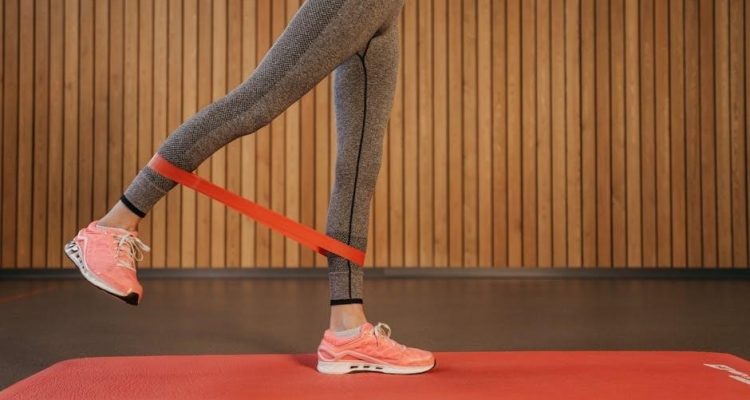
Quadriceps Tendonitis Exercises: A Comprehensive Plan
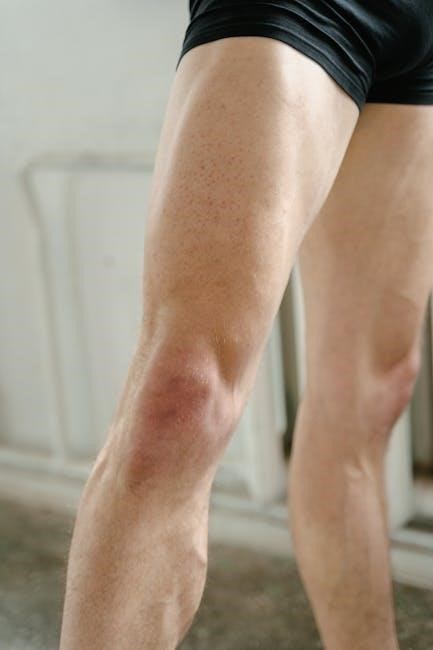
Rehabilitation involves exercises to reduce symptoms, enhance muscle function, and refine joint mechanics; caution is key, stopping if pain arises, seeking guidance․
Understanding Quadriceps Tendonitis
Quadriceps tendonitis represents an overuse injury affecting the tendon connecting the quadriceps muscles to the patella (kneecap)․ This condition isn’t typically caused by a sudden, acute trauma, but rather develops gradually over time due to repetitive strain․ The tendon undergoes microscopic tears, leading to inflammation and pain․ Understanding the specific mechanics of this injury is crucial for effective rehabilitation․
It’s vital to recognize that quadriceps tendonitis differs from a complete tendon rupture, though neglecting early symptoms can potentially increase the risk of a more severe injury․ The rehabilitation process focuses on reducing inflammation, restoring range of motion, and progressively strengthening the quadriceps and surrounding musculature․ A tailored exercise plan, guided by a healthcare professional, is paramount for optimal recovery and preventing recurrence․ Ignoring pain signals can exacerbate the condition, hindering the healing process․
Causes and Risk Factors
Several factors contribute to the development of quadriceps tendonitis․ Repetitive jumping, running, and quick changes in direction, common in sports like soccer, basketball, and volleyball, place significant stress on the tendon․ Insufficient warm-up routines and inadequate stretching can also predispose individuals to this injury․ Pre-existing muscle imbalances, particularly weakness in the quadriceps or hamstrings, can alter biomechanics and increase tendon load․
Other risk factors include improper training techniques, such as rapidly increasing training intensity or volume․ Age also plays a role, as tendons lose elasticity with age, making them more susceptible to injury․ Individuals with chronic conditions like diabetes or those taking certain medications (e․g․, corticosteroids) may experience impaired tendon healing; Addressing these underlying factors is crucial alongside a targeted exercise program to prevent recurrence and promote long-term tendon health․

Symptoms of Quadriceps Tendonitis
The hallmark symptom of quadriceps tendonitis is pain just above the kneecap, where the tendon attaches to the patella․ This pain typically develops gradually, often worsening with activity, particularly jumping, squatting, or running․ Initially, discomfort may only be present after exercise, but as the condition progresses, pain can occur during activity and even at rest․
Individuals may experience tenderness to the touch over the affected tendon․ Stiffness in the knee, especially in the morning or after periods of inactivity, is also common․ In severe cases, swelling around the kneecap may be noticeable․ Pain can interfere with daily activities like walking stairs or prolonged sitting․ It’s important to differentiate this from patellofemoral pain syndrome, though both present with anterior knee pain; accurate diagnosis guides appropriate treatment․
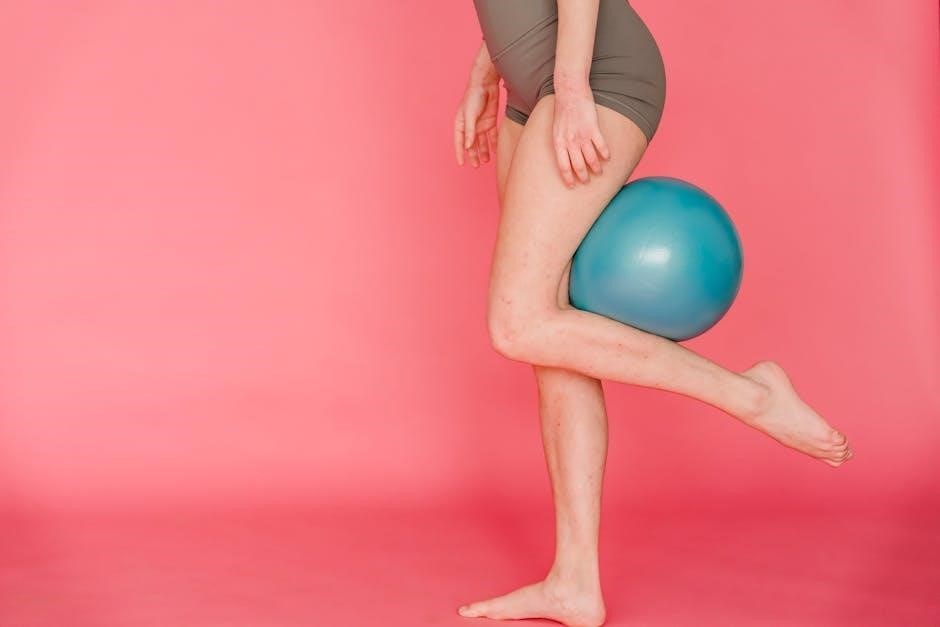
Phase 1: Initial Management (Weeks 1-2)
Focus on rest and the RICE protocol – rest, ice, compression, and elevation – to reduce inflammation and pain during these crucial initial weeks․
Rest and RICE Protocol
Initial management of quadriceps tendonitis heavily relies on reducing inflammation and pain through rest and the RICE protocol․ Rest doesn’t necessarily mean complete immobilization, but avoiding activities that aggravate the condition is paramount․ Ice application, for 15-20 minutes several times a day, helps minimize swelling and discomfort․ Compression, using a bandage, supports the knee and further reduces edema․
Elevation, keeping the leg raised above heart level, also aids in reducing swelling․ Adhering to this protocol during the first 1-2 weeks is vital for establishing a foundation for subsequent rehabilitation phases․ Remember, consistent application of RICE, alongside adequate rest, sets the stage for effective healing and a smoother transition to strengthening exercises․ Ignoring these initial steps can prolong recovery and potentially worsen the condition․
Pain Management Strategies
Effective pain management is crucial during the initial stages of quadriceps tendonitis recovery․ Beyond the RICE protocol, over-the-counter pain relievers, such as ibuprofen or naproxen, can help reduce inflammation and alleviate discomfort․ However, these should be used as directed and not as a substitute for proper rehabilitation․
Topical analgesics, like creams or gels containing menthol or capsaicin, may provide localized pain relief․ If pain persists or is severe, consulting a healthcare professional for potential prescription medications or other interventions is recommended․ It’s important to listen to your body and avoid pushing through pain, as this can exacerbate the injury and delay healing․ Gradual progression is key, and pain should be a guide, not a barrier to overcome․
Gentle Range of Motion Exercises
Initiating gentle range of motion (ROM) exercises is vital in Phase 1 to prevent stiffness and maintain some joint mobility without aggravating the tendon; Begin with heel slides, slowly bending and straightening your knee while lying down․ Ankle pumps, gently pointing and flexing your foot, also promote circulation and reduce swelling․
Short arc quads, performed by slightly lifting your leg while keeping your knee bent, can be introduced cautiously․ These movements should be pain-free and performed within a comfortable range․ Avoid any forceful stretching or movements that cause sharp pain; The goal is to maintain flexibility and prepare the knee for more advanced exercises in subsequent phases․ Consistency is key, performing these exercises several times a day․

Phase 2: Strengthening Exercises (Weeks 3-6)
Gradual strengthening begins with isometric contractions, short arc exercises, and the Supine ITB Stretch, rebuilding quadriceps strength and addressing limitations․
Supine ITB Stretch
The Supine ITB Stretch is a foundational exercise within the strengthening phase, specifically targeting the iliotibial band (ITB) and its influence on knee mechanics․ Performing this stretch while lying on your back (supine position) helps to alleviate tension in the ITB, which can contribute to quadriceps tendonitis․
Sets and Repetitions
A recommended protocol involves completing 3 sets of this stretch daily, consistently for 7 days a week․ Each set should consist of a sustained hold, rather than repeated repetitions․
Hold Duration and Frequency
Maintain the stretch for a duration of 20 seconds per set․ This sustained hold allows for effective lengthening of the ITB․ Consistent daily practice is crucial for achieving optimal results and reducing discomfort․ Your physiotherapist will guide you through proper form and progression․
For the Supine ITB Stretch, a structured approach to sets and repetitions is vital for effective rehabilitation․ The recommended protocol centers around sustained holds rather than dynamic repetitions, prioritizing gentle lengthening of the iliotibial band․ This minimizes stress on the healing quadriceps tendon․
Begin with 3 sets of the stretch performed daily․ Consistency is paramount; aim to complete this routine 7 days a week during the designated strengthening phase․ Each set should focus on maintaining proper form and a controlled stretch․
Avoid bouncing or forcing the stretch․ The goal is to gently increase flexibility and reduce tension, supporting the overall recovery process guided by your physiotherapist․
Maintaining proper hold duration is crucial when performing the Supine ITB Stretch as part of your quadriceps tendonitis rehabilitation plan․ The emphasis isn’t on repeated movements, but rather on sustained, gentle tension to encourage flexibility and reduce discomfort․
Each individual stretch within a set should be held for a duration of 20 seconds․ This allows sufficient time for the IT band to lengthen and release tension, positively impacting the surrounding knee joint․ Focus on breathing deeply and relaxing into the stretch․
As previously mentioned, aim to perform this stretch daily, completing one full routine each day for 7 days a week․ This consistent approach maximizes the benefits and supports optimal healing․
Isometric Quadriceps Contractions
Isometric exercises are foundational in the early stages of quadriceps tendonitis recovery, offering a safe way to activate the muscles without placing significant stress on the healing tendon․ These contractions involve engaging the quadriceps muscle without any joint movement, building strength and neuromuscular control․
To perform, sit with your leg extended, and consciously tighten your thigh muscles as if attempting to straighten your knee further․ Hold this contraction for 5-10 seconds, maintaining a firm squeeze․ Ensure there’s no actual movement occurring at the knee joint during this process․
Repeat this contraction 10-15 times, performing several sets throughout the day․ This gentle activation helps improve muscle recruitment and prepares the quadriceps for more dynamic exercises in later phases of rehabilitation․

Short Arc Quadriceps Exercises
Short arc quadriceps exercises are a crucial progression from isometric contractions, introducing a limited range of motion while minimizing stress on the quadriceps tendon․ These exercises focus on strengthening the terminal 30-45 degrees of knee extension, the portion most affected in tendonitis․
To perform, place a rolled towel or bolster under your knee while lying supine․ Slowly straighten your knee, lifting your foot off the ground, focusing on contracting the quadriceps․ Only extend to a point where you feel comfortable, avoiding full extension․
Hold briefly at the top, then slowly lower your leg back down․ Repeat 10-15 times for 2-3 sets․ This controlled movement builds strength and endurance in a safe and effective manner, preparing the knee for more complex activities․
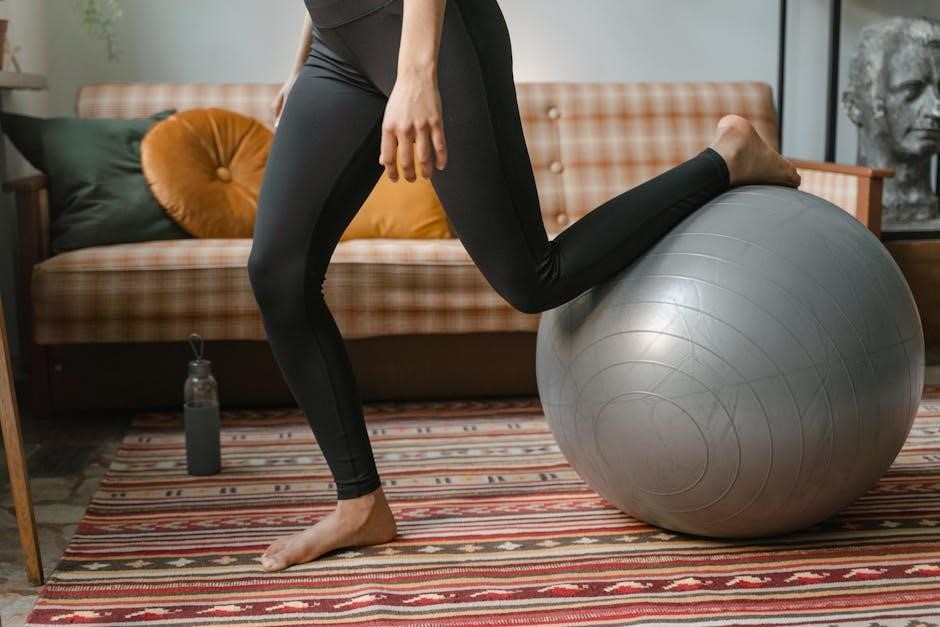
Phase 3: Progressive Strengthening (Weeks 7-12)
Progressive strengthening utilizes step-ups, leg extensions with controlled motion, and wall squats to rebuild strength and prepare for functional movements․
Step-Ups
Step-ups are exceptionally beneficial for knee health, allowing focused, unilateral work, and promoting increased blood flow to the joint – a crucial element for healing․
This exercise is particularly effective due to its short range of motion, concentrating the effort on the quadriceps and minimizing stress on the tendon․
Two distinct styles of step-ups can be implemented: Poliquin style and standard step-ups․
Poliquin style step-ups maximize tension on the knee, challenging the quadriceps more intensely․
Conversely, standard step-ups emphasize balance and stability, requiring greater control throughout the movement․
Prioritize proper form and controlled execution; a physiotherapist can provide personalized guidance․
Step-ups are the best exercise for getting healthy knees because you can focus on one leg at a time․
Poliquin Style Step-Ups
Poliquin style step-ups are designed to intensely challenge the knee joint and quadriceps muscle, maximizing tension during the exercise․
This variation focuses on a slower, more controlled ascent, emphasizing the work of the targeted leg throughout the entire range of motion․
The key to performing Poliquin step-ups correctly lies in driving through the heel of the foot on the stepping leg, ensuring full engagement of the glutes and quadriceps․
Avoid using momentum or relying on the non-stepping leg for assistance; the goal is to isolate and strengthen the working leg․
This style is particularly effective for addressing strength deficits and rebuilding muscle mass in the quadriceps․
Remember to maintain proper form and listen to your body, stopping if you experience any pain or discomfort․
It will be the best at putting tension on the knee․
Standard Step-Ups & Balance Focus
Standard step-ups offer a foundational strengthening exercise, but can be modified to significantly enhance balance and proprioception – crucial for knee health․
Unlike Poliquin style, these emphasize a more natural stepping motion, focusing on controlled ascent and descent․
The primary goal is to maintain stability throughout the movement, minimizing reliance on momentum and maximizing engagement of the stabilizing muscles․
Concentrate on keeping your core engaged and your gaze fixed forward to improve balance․
This variation is excellent for rebuilding confidence and functional strength after injury․
It’s also a short range exercise which allows more blood flow to get to the joint․
Focusing on balance during step-ups helps retrain the neuromuscular system, improving joint stability and reducing the risk of re-injury․
Leg Extensions (Controlled Range of Motion)
Leg extensions, when performed correctly, can be a valuable addition to a quadriceps tendonitis rehabilitation program, but require strict adherence to controlled movement․
Avoid full extension – locking out the knee – as this places excessive stress on the tendon․
Instead, focus on a partial range of motion, stopping just before full extension and maintaining a slight bend in the knee․
This minimizes strain while still effectively strengthening the quadriceps muscles․
Start with light resistance and gradually increase it as your strength improves․
Pay close attention to your body and stop immediately if you experience any pain․
Controlled speed is paramount; avoid jerky movements and focus on a smooth, deliberate contraction and release․
Proper form is essential to maximize benefits and minimize risk of re-injury․
Wall Squats
Wall squats offer a low-impact way to strengthen the quadriceps and surrounding muscles, making them suitable during the rehabilitation of quadriceps tendonitis․
Stand with your back flat against a wall, feet shoulder-width apart, and slowly slide down into a squat position․
Maintain a slight bend in your knees throughout the exercise, avoiding deep squats that could exacerbate tendon irritation․
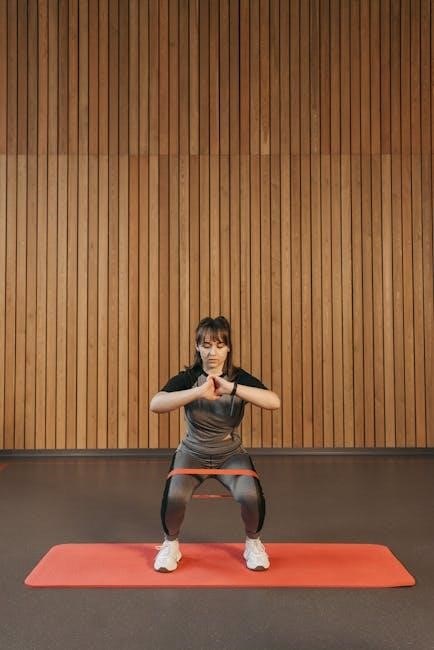
The wall provides support, reducing stress on the knee joint and allowing for controlled movement․
Hold the squat position for a few seconds, then slowly slide back up to the starting position․
Focus on engaging your core muscles to maintain proper form and stability․
Start with a shallow squat and gradually increase the depth as your strength and comfort level improve․
Listen to your body and stop if you experience any pain․
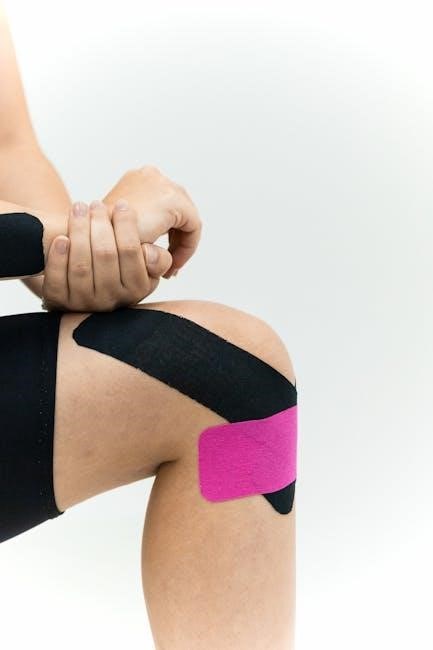
Phase 4: Functional Exercises & Return to Activity
Functional exercises, like lunges and balance drills, prepare you for daily activities, gradually returning to sport with caution and proper form․
Lunges
Lunges are a fantastic functional exercise, progressively rebuilding strength and stability crucial for returning to activity after quadriceps tendonitis․ Begin with shorter lunges, focusing on maintaining proper form – a straight back, engaged core, and ensuring your front knee doesn’t extend past your toes․ As strength improves, gradually increase the lunge depth and range of motion․
Pay close attention to any pain signals; modify the exercise or regress to a less challenging variation if discomfort arises․ Variations include forward lunges, reverse lunges, and walking lunges, each offering slightly different challenges․ Remember to distribute your weight evenly and control the movement throughout the entire exercise․ Lunges effectively mimic real-life movements, preparing the quadriceps and surrounding muscles for the demands of daily activities and sports․ Prioritize quality over quantity, ensuring each repetition is performed with precision and control․
Single Leg Balance Exercises
Single leg balance exercises are paramount for restoring proprioception – your body’s awareness of its position in space – following quadriceps tendonitis․ Start by simply standing on the affected leg for short durations, gradually increasing the hold time as your balance improves․ Utilize a stable surface nearby for support if needed, progressively reducing reliance on it․
Introduce challenges by closing your eyes, performing small movements with your free leg, or standing on an unstable surface like a foam pad or balance disc․ These variations enhance the difficulty and further refine your balance control․ Focus on maintaining a stable core and avoiding any wobbling or instability․ This exercise directly addresses the neuromuscular control often compromised during injury, crucial for preventing re-injury and optimizing functional performance․ Prioritize controlled movements and listen to your body, stopping if pain occurs․
Proprioceptive Training
Proprioceptive training is vital for regaining optimal knee function after quadriceps tendonitis, focusing on enhancing joint position sense and dynamic stability․ Exercises should challenge your body’s ability to react to unexpected perturbations․ Begin with simple activities like standing on one leg, progressing to more complex movements on unstable surfaces․
Utilize wobble boards, balance discs, or even simply a folded towel to create instability․ Incorporate perturbations – gentle pushes or pulls – from a partner to challenge your reactive balance․ Focus on quickly regaining control and maintaining proper alignment․ These drills retrain the neuromuscular pathways responsible for protecting the knee joint․ Remember to prioritize controlled movements and avoid pushing through pain․ Consistent proprioceptive training is key to preventing re-injury and returning to full activity levels safely and effectively․

Advanced Considerations
Addressing deficits in strength, massage techniques promoting circulation, and joint mobilization are crucial for healing and preventing future issues with the knee․
Addressing Strength Deficits
Rehabilitation meticulously targets pre-existing weaknesses that potentially contributed to the initial quadriceps tendonitis development․ A comprehensive assessment identifies specific muscle imbalances, not just within the quadriceps, but also in the hamstrings, glutes, and core․ These deficits are then systematically addressed through targeted exercises․
For athletes, like a soccer player, a gradual return to sport is paramount․ Initially, training on a padded treadmill minimizes impact compared to uneven soccer pitch terrain․ Pain signals a need to halt activity and implement RICE therapy․ Consider alternative exercises that lessen strain on the knee and tendon․
The goal isn’t simply restoring strength to the injured area, but achieving balanced muscular development to prevent recurrence․ This holistic approach ensures long-term knee health and optimal athletic performance․
Massage Techniques for Healing
Therapeutic massage plays a crucial role in quadriceps tendonitis recovery, offering multiple benefits beyond simple pain relief․ Different massage modalities promote increased blood circulation to the affected area, delivering vital nutrients and oxygen necessary for tissue repair․ This enhanced circulation also aids in the proper reorganization of collagen fibers within the tendon, improving its strength and elasticity․
Furthermore, massage effectively reduces tightness in the quadriceps muscle itself, alleviating tension that can exacerbate tendon irritation․ Skilled therapists can target specific trigger points and adhesions, restoring optimal muscle length and function․
Integrating massage into a comprehensive rehabilitation program accelerates healing, reduces pain, and improves overall knee function, facilitating a smoother return to activity․
Joint Mobilization Techniques
Joint mobilization is a hands-on technique employed by skilled therapists to address stiffness or restrictions within the knee joint itself․ Quadriceps tendonitis can often lead to compensatory movement patterns, resulting in decreased joint mobility and altered biomechanics․ These techniques aim to restore proper joint mechanics, optimizing movement efficiency and reducing stress on the injured tendon․
Gentle, controlled movements are applied to the knee joint to improve range of motion and address any capsular restrictions․ This, in turn, promotes overall function and reduces pain․ By restoring optimal joint alignment and movement, joint mobilization complements strengthening exercises, creating a synergistic effect for faster and more complete recovery․
It’s a proactive approach to prevent long-term complications․
Return to Sport/Activity Guidelines
Returning to activity post-quadriceps tendonitis requires a gradual, progressive approach, guided by pain levels and functional milestones․ Avoid rushing back to full intensity, as this risks re-injury․ Initially, modify activities to reduce stress on the tendon – for a soccer player, consider padded treadmill running instead of uneven terrain․
Monitor for any pain recurrence during and after activity; if pain arises, immediately implement RICE therapy․ Gradually increase training volume and intensity over weeks, focusing on proper form and technique․ Prioritize alternative conditioning exercises that minimize strain on the knee and tendon during the initial phases․
Listen to your body and adjust accordingly; patience is crucial for a successful return․