Night at the Museum: A Comprehensive Guide for a Successful “Night”
Embark on an unforgettable adventure! Inspired by the beloved franchise, this guide provides detailed instructions for planning a safe and engaging museum overnight experience.
Understanding the Core Concept
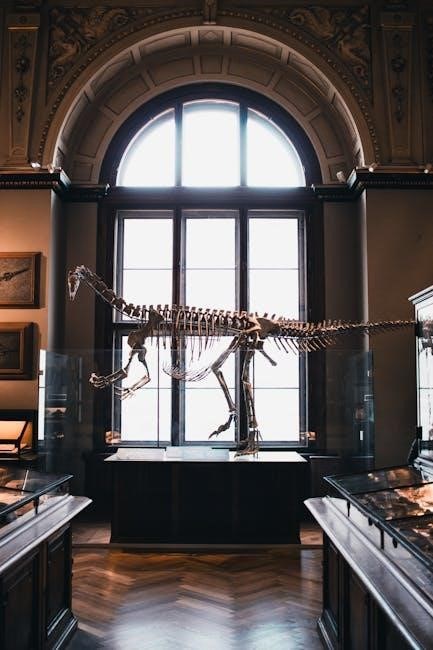
The “Night at the Museum” experience transcends a simple sleepover; it’s about fostering a unique connection with history and culture. Inspired by the films, the core idea centers around exploring museum exhibits after hours, when the usual daytime bustle subsides. This allows for a more intimate and immersive encounter with artifacts and displays.
It’s about igniting curiosity and learning in an unconventional setting. The reboot of the franchise highlights continued public interest. Successful events prioritize safety, respect for the venue, and engaging activities that bring the museum’s stories to life, creating lasting memories for all participants.
The Historical Basis & Inspiration
While the fantastical elements are fictional, the concept draws inspiration from the inherent magic museums hold. The idea of exhibits “coming to life” taps into a universal fascination with history and storytelling. The recent reboot of the “Night at the Museum” franchise, two decades after the original, demonstrates enduring appeal.
Historically, museums were often private collections accessible only to a select few. A “night at the museum” echoes this exclusivity, offering a rare, behind-the-scenes glimpse. It’s a playful reimagining of scholarly exploration, blending education with adventure and sparking imagination;
Museum Selection: Choosing the Right Venue
Careful venue selection is paramount for a successful event. Consider museums with diverse exhibits to fuel imagination, mirroring the franchise’s appeal. Prioritize institutions receptive to overnight programs and possessing robust security systems. Assess accessibility – ensuring comfortable navigation for all participants.
Evaluate the museum’s layout; a manageable size prevents disorientation during darkness. Historical museums, art galleries, and science centers all offer unique possibilities. Confirm the museum’s willingness to collaborate on tailored activities, enhancing the overall experience and ensuring a memorable “night.”
Pre-Visit Planning & Permissions
Meticulous planning is crucial before your museum adventure. Initiate contact with museum authorities well in advance – ideally months – to discuss logistics and secure necessary permissions. A detailed proposal outlining activities, participant numbers, and safety protocols is essential.
Obtain written consent from all participants (or parents/guardians). Thoroughly review and understand the museum’s rules and regulations. Proactive communication fosters a collaborative relationship, ensuring a smooth and legally compliant “night” at the museum, mirroring professional event organization.
Contacting Museum Authorities
Initiate communication with the museum’s event coordinator or security director. Clearly articulate your “Night at the Museum” concept, including proposed dates, group size, and planned activities. Prepare a comprehensive itinerary detailing movement throughout the museum.
Inquire about specific policies regarding overnight stays, access to exhibits, and permitted equipment. Be prepared to provide proof of insurance and demonstrate a commitment to preserving the museum’s collection. A positive and respectful approach builds rapport and facilitates a successful partnership.
Security Protocols & Waivers
Establish robust security measures in collaboration with museum security personnel. Implement a buddy system, designate clear check-in/check-out points, and define restricted areas. All participants must sign waivers acknowledging potential risks and agreeing to adhere to museum rules.
These waivers should explicitly address liability, emergency procedures, and responsible behavior. Conduct a thorough briefing on security protocols before entering the museum, emphasizing the importance of respecting exhibit boundaries and reporting any suspicious activity immediately.
Emergency Contact Information
Compile a comprehensive list of emergency contact details for all participants. This includes parent/guardian contact numbers, allergies, medical conditions, and any specific needs. Share this list only with designated chaperones and museum security staff.
Post emergency contact information prominently at check-in and strategic locations within the museum. Include local emergency services numbers (police, fire, ambulance). Establish a clear communication protocol for emergencies, ensuring rapid response and participant safety throughout the night.
Essential Equipment Checklist
Preparation is key for a successful and safe “Night at the Museum.” A meticulously curated equipment list is paramount. This includes reliable lighting sources – flashlights and headlamps with extra batteries – for navigating darkened halls. Communication is vital; pack walkie-talkies or fully charged mobile phones.
Don’t forget documentation tools like cameras for capturing memories and notepads for observations. First-aid kits, comfortable sleeping arrangements (if permitted), and appropriate clothing are also crucial additions to ensure a comfortable and secure experience.
Lighting Solutions: Flashlights & Headlamps
Navigating a darkened museum demands reliable illumination. Prioritize flashlights and headlamps with varying beam strengths. Headlamps offer hands-free operation, ideal for examining exhibits closely. Ensure each participant has a personal light source, plus backups!
Red-light filters are beneficial, preserving night vision and minimizing disturbance to others. Regularly check battery levels throughout the night. Consider bringing extra batteries – a fully depleted flashlight is useless. Robust, water-resistant models are recommended for durability.
Communication Devices: Walkie-Talkies & Phones
Maintaining contact is crucial during a “Night at the Museum.” Walkie-talkies provide instant, group communication, bypassing potential cell service dead zones within the building. Assign specific channels for different teams or roles. Fully charge all devices before entry and bring portable power banks.
Cell phones are valuable for emergencies, but reliance on them is risky. Establish a clear protocol for phone use – limited to essential communication only. Ensure everyone knows key contact numbers, including museum security and event organizers.
Documentation Tools: Cameras & Notepads
Capture the magic! Cameras – both digital and potentially those with low-light capabilities – are essential for documenting discoveries and memorable moments throughout the night. Ensure sufficient storage and battery life, or bring portable chargers. Notepads and pens are equally vital.
Detailed note-taking allows for recording observations, scavenger hunt answers, and any unusual occurrences. Encourage participants to jot down thoughts and feelings about their experience, creating a valuable record of the event. These notes complement photographic evidence.
Navigating the Museum in Darkness
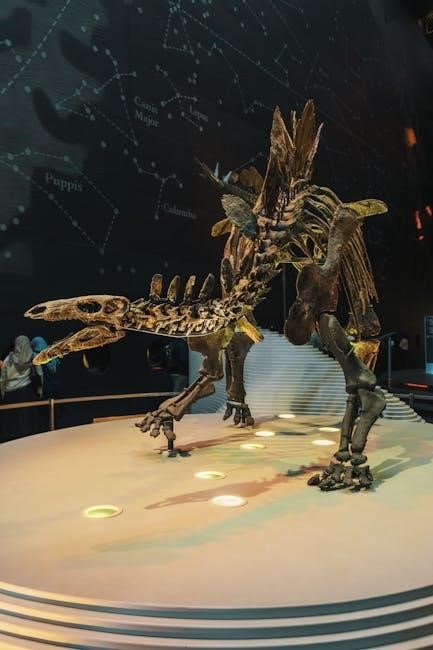
Prioritize safety and awareness! Darkness transforms familiar spaces, demanding cautious movement. Before the lights dim, thoroughly map the museum layout, identifying potential obstacles and emergency exits. Participants should move slowly and deliberately, utilizing provided lighting solutions.
Strictly enforce boundaries around exhibits – no touching! Be mindful of uneven flooring and low-hanging structures. A buddy system is crucial; never allow anyone to wander alone. Constant communication and heightened senses are key to a secure and enjoyable nocturnal exploration.
Mapping the Layout & Identifying Key Exhibits
Detailed pre-planning is essential! Obtain a comprehensive museum floor plan and highlight key exhibits for your planned route. Mark emergency exits, first aid stations, and security checkpoints clearly. During daylight, conduct a walkthrough to familiarize yourselves with the space and potential hazards.
Categorize exhibits based on accessibility and interest. Create a simplified map for participants, focusing on designated areas. Note any exhibits with restricted access or specific safety concerns. This proactive approach ensures a smooth and informed nighttime exploration;
Safety Considerations: Avoiding Hazards
Prioritize participant well-being! Darkness introduces unique challenges; thoroughly scan each area for obstacles – display cases, ropes, uneven flooring. Establish a “buddy system” and enforce strict adherence. Participants must wear appropriate footwear and avoid running.
Clearly communicate “off-limits” zones and potential trip hazards. Regularly check for and report any newly identified dangers to museum staff. Maintain constant awareness of surroundings and emphasize cautious movement throughout the night. A safe environment fosters a positive experience.
Respecting Exhibit Boundaries
Preservation is paramount! Emphasize the fragility of museum artifacts. Participants must maintain a safe distance from all exhibits – no touching, leaning, or climbing. Clearly define boundaries with visible markers or verbal instructions. Explain the importance of preserving history for future generations.
Reinforce that even accidental contact can cause irreparable damage. Supervise interactions closely, especially near delicate items. Demonstrate respect for the museum’s collection and its cultural significance. A mindful approach ensures the exhibits remain intact.
Interactive Activities & Scavenger Hunts
Ignite curiosity and learning! Design engaging activities that complement the museum’s exhibits. Scavenger hunts are excellent, encouraging exploration and teamwork. Incorporate riddles, challenges, and historical trivia related to the artifacts. Tailor the difficulty to participant age and knowledge levels.
Consider a themed hunt, linking clues to a specific historical period or exhibit. Interactive challenges could involve recreating historical scenes or solving puzzles based on museum content. Ensure activities are respectful of the museum environment and enhance the overall experience.
Developing a Themed Scavenger Hunt
Craft an immersive experience! Begin by selecting a captivating theme aligning with the museum’s collection – perhaps ancient Egypt or the Wild West. Develop clues that weave a narrative, guiding participants through key exhibits. Each clue should relate directly to the theme and require observation or research.
Vary clue types: riddles, image-based puzzles, or tasks requiring interaction with exhibits (respectfully, of course!). Ensure clues are logically sequenced and progressively challenging. A well-defined theme elevates the hunt from a simple search to an educational adventure.
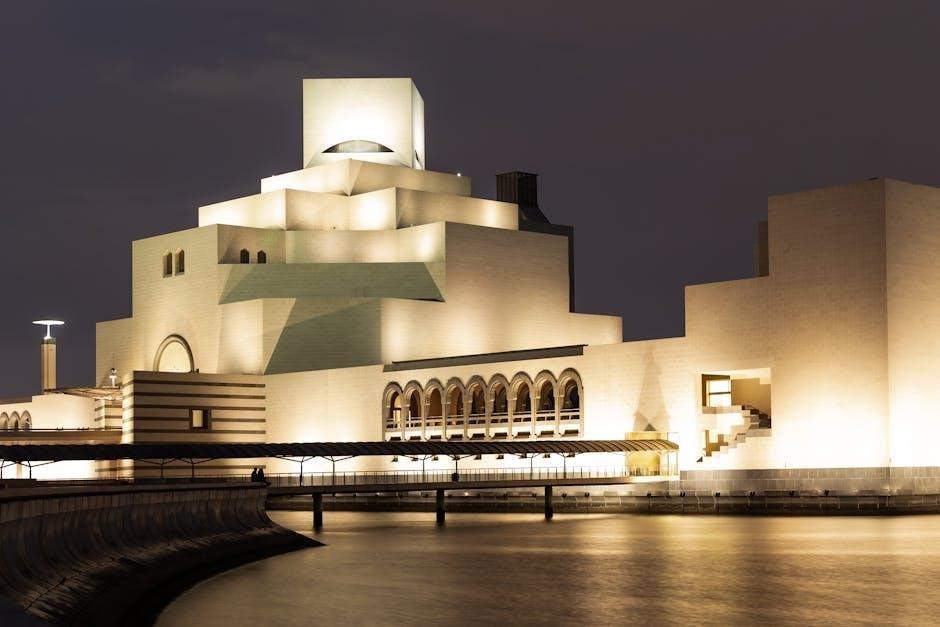
Creating Interactive Challenges & Riddles
Boost engagement with clever puzzles! Challenges shouldn’t just find information, but use it. Design riddles based on historical facts related to exhibits, requiring participants to decipher clues and apply their newfound knowledge. Incorporate physical challenges – like recreating a pose from a statue – for added fun.
Consider incorporating codes or ciphers linked to exhibit details. Ensure challenges are age-appropriate and solvable within the timeframe. Reward successful completion with points or small prizes, fostering a competitive yet collaborative spirit.
Incorporating Historical Facts & Trivia
Elevate the experience with knowledge! Weave fascinating historical facts and trivia directly into your scavenger hunt and interactive challenges. Instead of simply locating an artifact, ask participants why it’s significant. Connect exhibit items to broader historical events or the lives of notable figures.
Prepare a series of trivia questions related to the museum’s collection, offering clues within the exhibits themselves. This transforms the night into an educational adventure, mirroring the spirit of the “Night at the Museum” films.
Documenting Your Experience
Capture the memories! Thorough documentation is crucial. Establish clear photography and videography guidelines beforehand, respecting museum policies and exhibit sensitivities. Encourage participants to maintain journals, recording observations, thoughts, and discoveries throughout the night.
Detailed note-taking, beyond scavenger hunt answers, adds depth. After the event, compile a comprehensive “post-night report” – a collection of photos, videos, journal entries, and scavenger hunt results – to preserve the experience and analyze its success.
Photography & Videography Guidelines
Preserve the moments responsibly! Prior to the event, confirm the museum’s photography and videography policies – flash photography is often prohibited due to potential damage to artifacts. Instruct participants to avoid obstructing pathways or disturbing other attendees while capturing images or videos.
Emphasize respect for exhibits; no touching or getting excessively close for a shot. Designate specific areas for group photos to minimize disruption. Obtain consent before filming or photographing individuals, ensuring privacy is respected throughout the night.
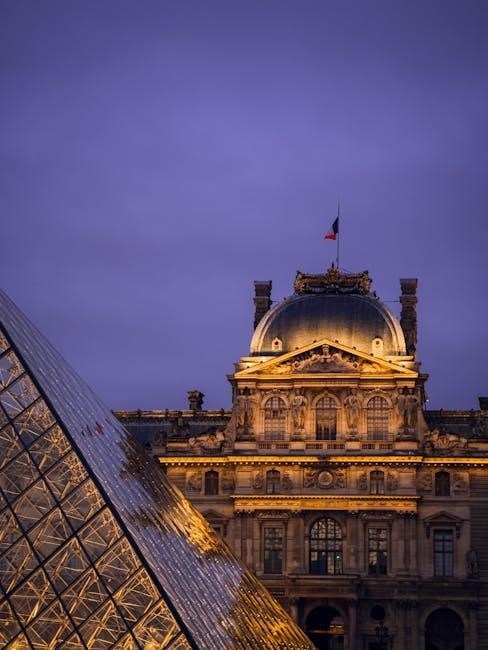
Journaling & Note-Taking Techniques
Record your discoveries! Encourage participants to maintain journals documenting their observations, feelings, and any intriguing details encountered during the night. Suggest using descriptive language to capture the atmosphere and unique perspectives offered by the darkened museum environment.
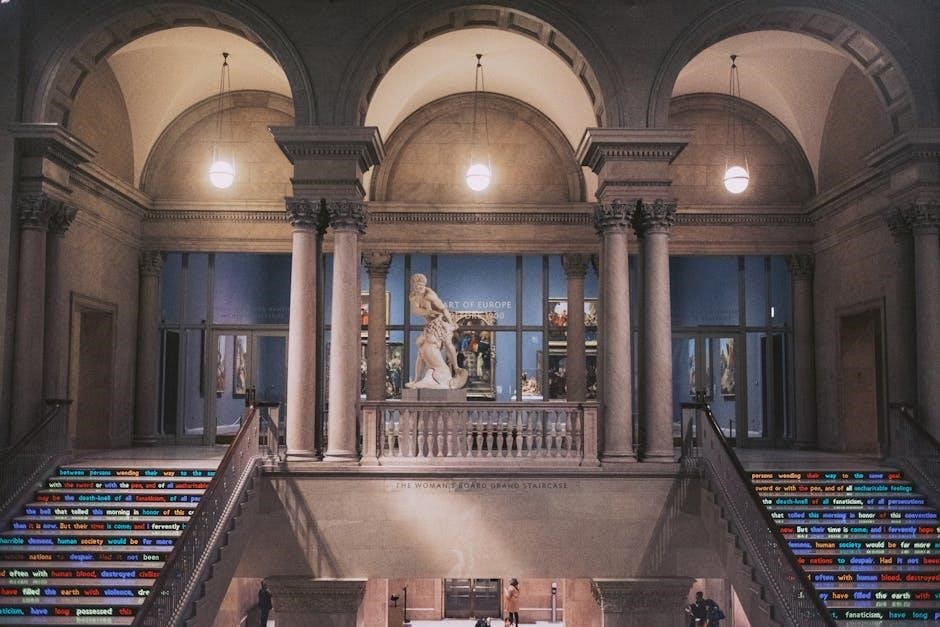
Note-taking should focus on exhibit details, unanswered questions, or interesting facts discovered. Prompt participants to sketch quick diagrams of exhibit layouts or artifacts. These records will enrich the post-night debriefing and analysis, fostering deeper engagement.
Creating a Post-Night Report
Compile your adventure! A comprehensive post-night report is crucial for evaluating success and identifying areas for improvement. Include a summary of activities, participant feedback, and any challenges encountered. Detailed documentation of photos, videos, and scavenger hunt results should be appended.
Analyze the effectiveness of chosen activities and note any security concerns or unexpected events. This report serves as a valuable resource for future “Night at the Museum” events, ensuring continued safety and engagement.
Dealing with Potential Issues
Prepare for the unexpected! Despite meticulous planning, issues may arise. Establish clear protocols for security alarms – differentiate between real and false alarms to avoid panic. Address unexpected noises with calm investigation; assign teams for sound source identification.
Develop a robust lost participant procedure, including designated meeting points and communication channels. Prioritize swift reunification. Thoroughly brief all participants on these protocols before the night begins, ensuring a safe and controlled environment.
Security Alarms & False Alarms
Proactive alarm management is crucial. Before the event, obtain a detailed understanding of the museum’s alarm system from security personnel. Establish a clear communication pathway with museum security for immediate verification of any triggered alarm.
Designate specific personnel responsible for alarm response. Train participants to not investigate alarms themselves, but to immediately report them. Practice differentiating between potential false alarms (e.g., settling building sounds) and genuine threats, minimizing unnecessary panic and disruption.
Unexpected Noises & Sounds
Prepare for the museum’s nocturnal ambiance. Old buildings often exhibit creaks, groans, and settling sounds, especially at night. Brief participants beforehand about these expected, harmless noises to prevent undue alarm or misinterpretation as something sinister.
Encourage a buddy system and open communication; participants should readily share any unsettling sounds with a group leader. Establish a designated “safe zone” where individuals can calmly gather if feeling anxious. Remind everyone that the museum is a secure environment.
Lost Participants & Reunification Procedures
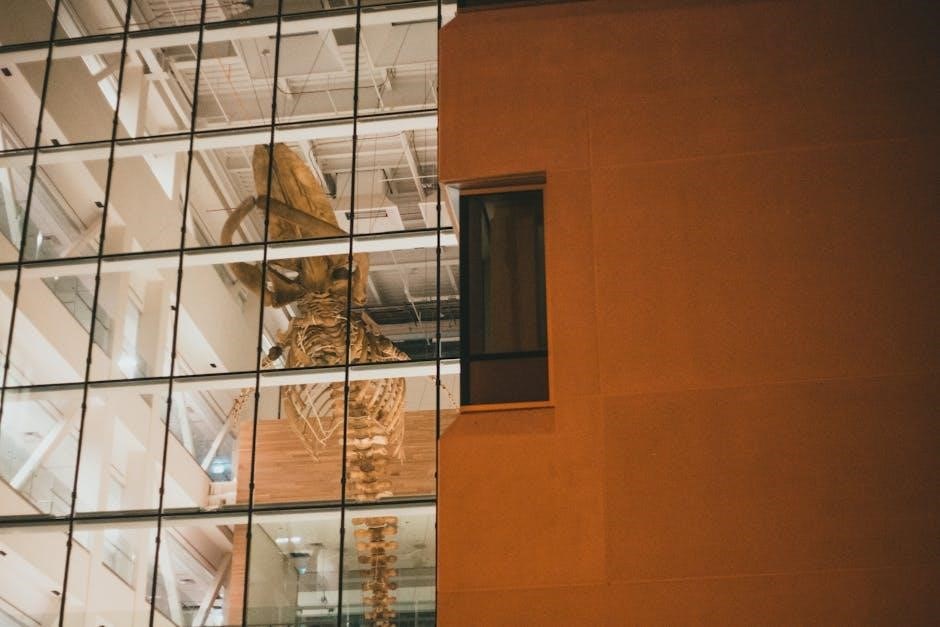
Prioritize participant safety with a robust lost person protocol. Before the “night” begins, designate clear meeting points throughout the museum, easily identifiable on maps. Each participant should have a buddy and know the location of these points.
Equip leaders with communication devices and establish a check-in schedule. If a participant goes missing, immediately initiate a search using pre-assigned teams. Contact museum security and follow their guidance. Reunification should occur at a designated, secure location.
Post-Night Debriefing & Analysis
A thorough post-event review is crucial for improvement. Begin by collectively reviewing all captured photos and videos, noting highlights and areas for adjustment. Analyze scavenger hunt results – which clues proved most challenging? Gather detailed feedback from all participants regarding their experiences, both positive and negative.
Document all observations and suggestions. This analysis informs future event planning, ensuring each “Night at the Museum” is safer, more engaging, and more educational than the last.
Reviewing Photos & Videos
Visual documentation offers invaluable insights. Systematically review all photographs and videos captured during the night, paying close attention to participant engagement with exhibits and activities. Identify moments of excitement, confusion, or potential safety concerns visible in the footage.
Assess lighting effectiveness and overall atmosphere. Note any areas where exhibits appeared particularly captivating or where participants struggled to navigate. This visual analysis complements participant feedback, providing a comprehensive understanding of the event’s success.
Analyzing Scavenger Hunt Results
Scavenger hunt data reveals learning and engagement levels. Compile and analyze completed scavenger hunt sheets, noting completion times and accuracy of answers. Identify which clues proved most challenging and which exhibits sparked the greatest interest based on participant focus.
Look for patterns – did certain teams excel in specific areas? This data informs future hunt design, ensuring balanced difficulty and maximized educational impact. Correlate results with observed participant behavior for a holistic assessment.
Gathering Feedback from Participants
Post-event surveys are crucial for improvement. Distribute short, anonymous questionnaires to gather participant opinions on all aspects of the “Night at the Museum” experience. Focus questions on activity enjoyment, perceived safety, clarity of instructions, and overall satisfaction.
Encourage open-ended responses for detailed insights. Facilitate a group discussion to foster candid feedback. Analyze responses to identify strengths and areas needing refinement for future events, ensuring continued engagement and positive experiences.
Legal Considerations & Liability
Prioritize safety and legal compliance. Secure comprehensive insurance coverage specifically for overnight museum events, protecting against potential accidents or damages. Obtain signed parental consent forms for all participants under 18, detailing risks and emergency procedures.
Thoroughly review and strictly adhere to all museum rules and regulations. Document all permissions and waivers. Consult legal counsel to ensure all procedures align with local laws, minimizing potential liability and ensuring a legally sound event.
Insurance Requirements
Adequate insurance is paramount for a successful and legally protected “Night at the Museum” event. General liability insurance is essential, covering potential injuries to participants or damage to museum property. Consider supplemental accident insurance for all attendees, providing financial protection in case of unforeseen incidents.
Verify the museum’s insurance policy and ensure your event is covered or requires a separate rider. Document all insurance details and provide proof of coverage to museum authorities before the event commences.
Parental Consent Forms (if applicable)
If minors are participating, comprehensive parental consent forms are legally required. These forms must detail the event’s activities, potential risks, emergency procedures, and authorized medical treatment permissions. Include a clear liability waiver acknowledging the museum and organizers are not responsible for all incidents.
Obtain signed forms for each participant before the event, keeping copies readily available throughout the night. Ensure forms include emergency contact information and any relevant medical conditions or allergies;
Adherence to Museum Rules & Regulations
Strictly enforce all museum rules and regulations throughout the entire event. This includes prohibitions on touching exhibits (unless specifically permitted), running, loud noises, and food/drink consumption in designated areas. Participants must respect the historical artifacts and the museum environment.
A pre-event briefing should reiterate these rules, emphasizing the importance of preservation and responsible behavior. Any violation should result in immediate removal from the program, ensuring a respectful experience for all.
The Future of “Night at the Museum” Events
The potential for innovation is vast! Expanding beyond traditional museums to include historical societies and specialized collections offers diverse experiences. Integrating augmented reality (AR) could overlay digital information onto exhibits, enhancing engagement and learning.
Technology allows for interactive storytelling and personalized scavenger hunts. Future events should prioritize educational value, fostering a deeper appreciation for history and culture, mirroring the franchise’s appeal and inspiring a new generation of museum enthusiasts.
Expanding the Concept to Different Museums
Beyond art and natural history! The “Night at the Museum” concept thrives in diverse settings – science centers, local historical societies, and even specialized museums focusing on niche topics. Adapting activities to each museum’s unique collection is crucial for engagement.
Consider railway museums, aviation centers, or even maritime exhibits. Each venue presents unique challenges and opportunities for themed scavenger hunts and interactive learning, broadening the appeal and accessibility of these exciting overnight adventures.
Incorporating Technology & Augmented Reality
Elevate the experience! Integrating technology transforms “Night at the Museum” into a dynamic, immersive event. Augmented reality apps can overlay historical information onto exhibits, bringing artifacts to life with interactive storytelling.
Utilize QR codes linking to detailed exhibit information, virtual tours, or even character interactions. Consider using tablets for scavenger hunts, or incorporating projection mapping to create stunning visual effects. These tools enhance learning and create a truly unforgettable adventure.
Creating Educational & Engaging Experiences
Beyond entertainment! Design activities that seamlessly blend fun with learning. Develop themed workshops focusing on specific exhibits or historical periods, encouraging hands-on exploration and critical thinking.
Incorporate storytelling sessions where participants become historical figures, fostering empathy and understanding. Interactive games and challenges, tied to museum content, reinforce knowledge in an enjoyable way. The goal is to spark curiosity and create a lasting appreciation for history and culture.